
Publishing operations assessment manuel and fragmented
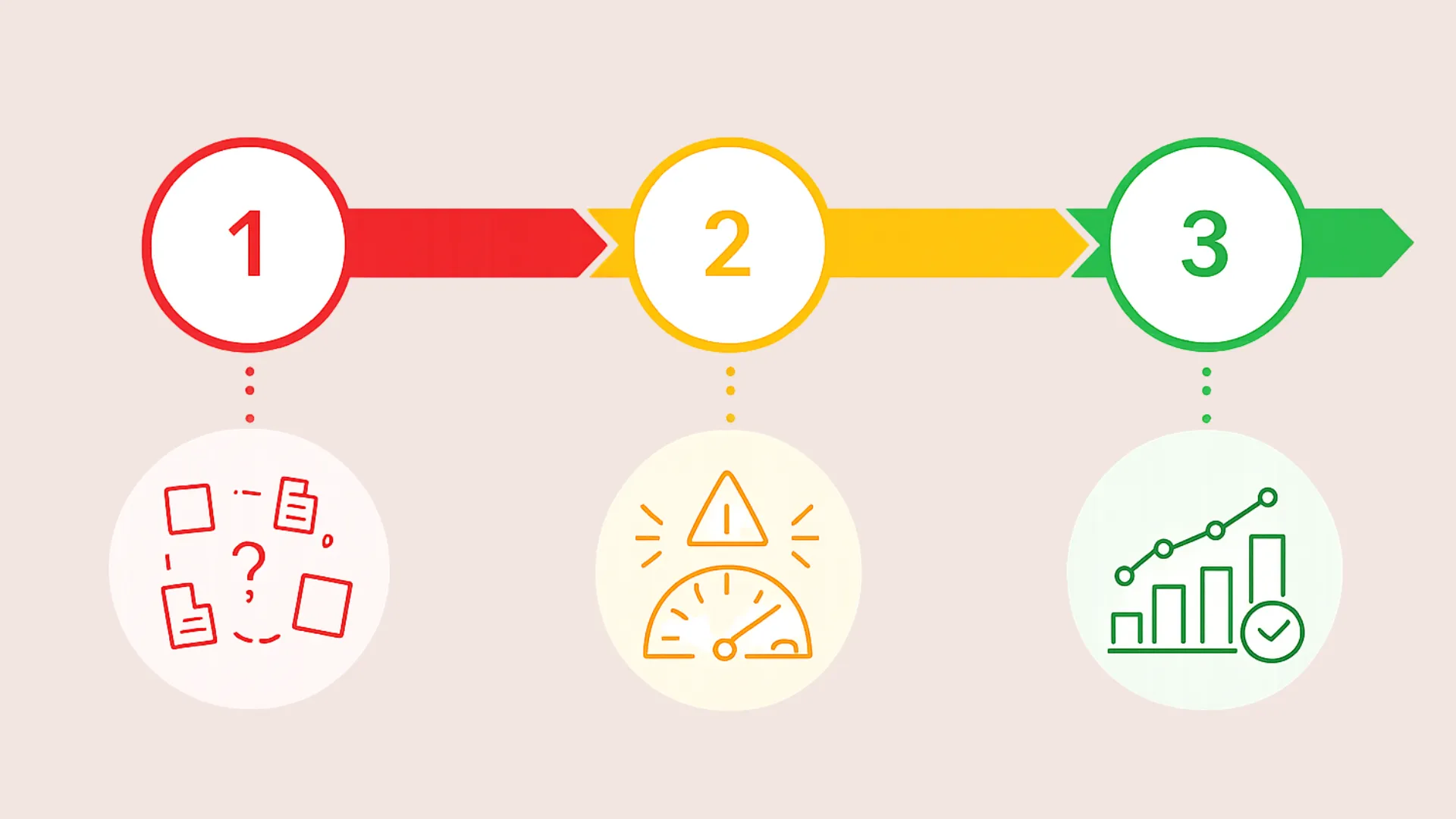
Manuel and fragmented
Manual and fragmented
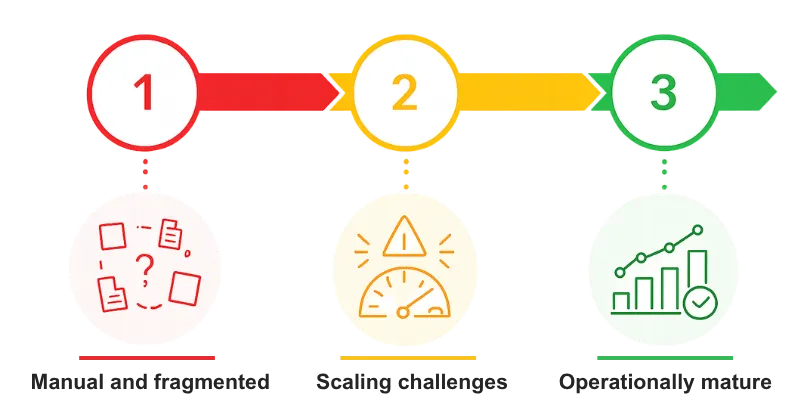
Your responses suggest that many of your publishing processes rely heavily on manual work, spreadsheets, or disconnected systems – particularly around .
That may be manageable for a while, but as operational complexity grows, it becomes harder to manage royalties, rights, metadata, reporting, and day-to-day tasks efficiently.
What this may indicate:
- Manual tasks are taking up valuable time.
- Key publishing data is spread across several systems.
- Reporting and overview require extra effort.
- Royalty and rights processes are vulnerable to errors.
- Current processes may become difficult to scale.
- Processes related to may be creating unnecessary operational friction.
Recommended next step
For many publishers, operational complexity begins to increase when workflows, reporting, and critical publishing data are still handled manually or in disconnected systems.
Establishing more structured and reliable processes – whether for royalties, rights, metadata, or reporting – can help reduce manual errors, improve transparency, and make collaboration easier across teams, authors, rights owners, and partners.
Over time, this becomes the foundation for more scalable and efficient publishing operations.